
Choosing a diamond involves more than finding a beautiful stone. Whether we are selecting an engagement ring, a wedding anniversary gift, or a piece of fine jewellery, understanding diamond quality, pricing, and design helps us make a confident decision. Lab grown diamonds have become an increasingly popular option for jewellery buyers who want the beauty and durability of genuine diamonds while exploring more flexible purchasing options.
For customers searching for lab grown diamonds Melbourne, the growing availability of different diamond shapes, sizes, and jewellery styles offers plenty of opportunities to find something that suits their preferences. However, not every diamond looks the same, and differences in cut, colour, clarity, and carat weight can influence both its appearance and price.
At Novita Diamonds, we help customers explore these differences so they can make informed decisions when choosing a diamond. With a stated inventory of more than 2,400 lab grown diamonds across Melbourne and other showrooms, we offer a broad selection for customers to compare before choosing their preferred stone and design.
Understanding Lab Grown Diamonds Before You Buy
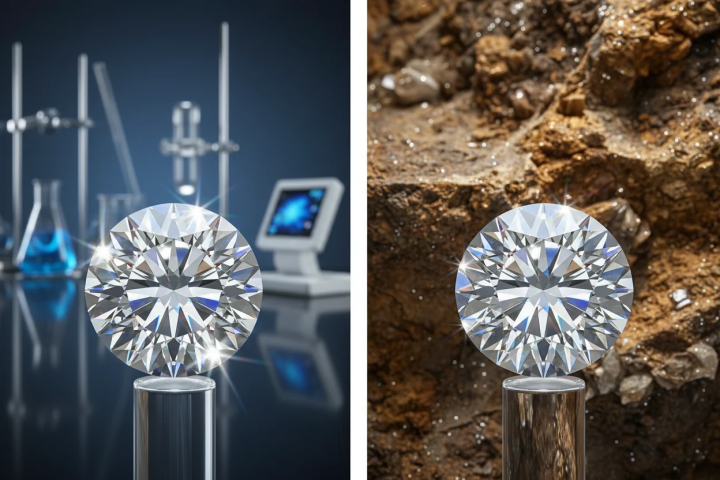
Lab grown diamonds are genuine diamonds created in controlled laboratory environments using specialised technology. They share the same fundamental chemical composition, crystal structure, and optical properties as mined diamonds. The primary difference is their origin: mined diamonds form naturally beneath the Earth’s surface, while lab grown diamonds are produced through technological processes that recreate suitable diamond-growth conditions.
Two principal methods are used to produce these stones: High Pressure High Temperature (HPHT) and Chemical Vapour Deposition (CVD).
The HPHT process uses high pressure and high temperature to encourage carbon to crystallise into diamond. The CVD process involves introducing carbon-rich gases into a specialised chamber, allowing carbon atoms to deposit onto a diamond seed and gradually develop into a larger crystal.
Both methods can produce diamonds suitable for fine jewellery. However, the quality of the finished stone depends on several factors, including its growth characteristics, cutting, and polishing.
For buyers exploring lab grown diamonds Melbourne, understanding this distinction provides a useful starting point. Rather than judging a diamond by its origin alone, we recommend considering its individual characteristics, grading information, visual appearance, and suitability for the intended jewellery design.
How to Compare Lab Grown Diamond Quality
Diamond quality plays an important role in determining a stone’s appearance and price. Four commonly used characteristics—cut, colour, clarity, and carat weight—are known as the 4Cs of diamond quality.
Understanding each characteristic helps buyers compare diamonds more effectively and identify which features matter most to them.
1. Cut: The Key to Brilliance and Sparkle
Cut is one of the most important considerations when selecting a diamond because it affects how the stone interacts with light. A well-cut diamond can display impressive brightness, colourful flashes known as fire, and sparkle as it moves.
Diamond cut should not be confused with shape. Shape describes the diamond’s outline, such as round, oval, pear, or emerald. Cut refers to the proportions, symmetry, and finishing that influence its optical performance.
When comparing lab grown diamonds, buyers should pay attention to how effectively each stone reflects light. Two diamonds with the same carat weight and similar colour and clarity grades may look noticeably different because of variations in cut quality.
We encourage customers to compare stones visually whenever possible rather than relying exclusively on specifications. A beautifully proportioned diamond can be an excellent choice for someone who values brilliance and an attractive overall appearance.
2. Colour: Finding the Right Balance
Diamond colour is commonly graded from D to Z, with D representing colourless and lower grades showing progressively more noticeable colour.
Colour preferences often depend on the jewellery design and the buyer’s personal taste. Colourless diamonds are popular for classic engagement rings, while slightly warmer stones may complement yellow gold settings particularly well.
When comparing diamonds in Melbourne, it is useful to consider how the stone looks alongside the metal selected for the ring. Platinum and white gold can create a clean, contemporary appearance, while yellow and rose gold introduce warmer tones.
We recommend balancing colour preferences with other quality characteristics. Paying for a higher colour grade may not always provide the most noticeable improvement, particularly when the diamond’s overall appearance and setting are also considered.
3. Clarity: Understanding Inclusions and Blemishes
Clarity describes the internal and external characteristics present in a diamond. Internal features are called inclusions, while surface characteristics are known as blemishes.
Some inclusions are difficult to see without magnification, whereas others may affect the diamond’s transparency or overall appearance. Clarity grading helps buyers understand these differences.
When choosing lab grown diamonds, the objective is not necessarily to select the highest possible clarity grade. Instead, we recommend considering whether any visible characteristics affect the stone’s beauty and whether the price reflects a meaningful improvement.
For many jewellery buyers, a diamond with an attractive appearance and suitable clarity can provide an excellent balance between quality and budget.
4. Carat Weight: Choosing the Right Diamond Size
Carat measures a diamond’s weight, not its exact visible size. Although heavier diamonds are often larger, their face-up dimensions depend on their shape and proportions.
For example, oval diamonds can appear elongated, while round brilliant diamonds have a more symmetrical outline. Emerald-cut diamonds feature broad, open facets that create a different visual effect from the sparkle of a brilliant-cut stone.
When comparing lab grown diamonds Melbourne, we suggest looking at both carat weight and measurements. This provides a clearer understanding of how large the stone may appear once it is placed in a ring or another piece of jewellery.
Choosing a diamond should involve more than reaching a particular carat number. The right proportions, cut quality, and setting can make a significant difference to the finished design.
Lab Grown Diamonds Melbourne: What Determines the Price?
One reason many customers explore lab grown diamonds is their generally lower price compared with mined diamonds of similar specifications. However, there is no single price that applies to every lab grown diamond.
The final cost depends on several characteristics, including carat weight, cut, colour, clarity, shape, and overall demand. The design and materials used in the finished jewellery piece also influence the total purchase price.
· Diamond Size and Quality
Larger diamonds generally cost more than smaller ones when other characteristics are comparable. However, prices do not increase in a simple, uniform pattern as carat weight rises.
Colour, clarity, cut quality, and shape can all affect pricing. A well-cut diamond with desirable proportions may command a different price from another stone with the same weight but different characteristics.
Comparing diamonds with similar specifications helps buyers understand whether a price difference reflects a meaningful difference in quality.
· Diamond Shape and Availability
Round brilliant diamonds are a popular choice because of their familiar appearance and light performance. Fancy shapes, including oval, pear, cushion, princess, and emerald cuts, offer different visual characteristics and design possibilities.
Pricing can vary by shape due to factors such as cutting yield, production considerations, and market demand. Availability may also differ between sizes and specifications.
When searching for lab grown diamonds Melbourne, exploring several shapes can help buyers discover alternatives they might not have considered initially.
· Jewellery Design and Craftsmanship
The diamond is only one component of a finished jewellery piece. The setting, metal, design complexity, and craftsmanship also contribute to its cost.
A simple solitaire ring places the centre diamond in focus, while a halo or pavé design incorporates additional stones and more detailed setting work. Three-stone rings combine a central diamond with two complementary stones, creating another distinctive appearance.
At Novita Diamonds, each jewellery piece is expertly crafted by master jewellers. We encourage customers to consider the complete design alongside the diamond itself, as both elements contribute to the finished ring’s appearance and everyday practicality.
· Comparing Value Rather Than Price Alone
A lower price does not automatically mean a better purchase. Buyers should compare the actual specifications, grading documentation, appearance, and included services before making a decision.
For example, two diamonds may have the same carat weight but differ in cut quality or clarity. A modest difference in price may be worthwhile if the more expensive stone offers a noticeable improvement in the characteristics that matter most to the buyer.
We recommend setting a realistic budget and deciding which features are essential. This approach helps narrow the available choices and makes comparisons more useful.
How to Choose the Right Diamond Design
Once buyers understand diamond quality and pricing, the next step is selecting a design that reflects their preferences. The ideal choice depends on personal style, comfort, lifestyle, and how the jewellery will be worn.
· Solitaire Engagement Rings
Solitaire rings feature one central diamond, allowing its shape and brilliance to take centre stage. Their clean design makes them a popular choice for people who appreciate classic jewellery.
Because the centre stone is the main visual feature, cut quality and proportions deserve particular attention. Buyers should also consider the setting’s height and structure to ensure it suits everyday wear.
· Halo Engagement Rings
Halo rings feature smaller diamonds surrounding the centre stone. This arrangement creates additional sparkle and can make the central diamond appear more prominent.
Halo designs are available in different shapes and arrangements, offering plenty of flexibility for buyers who prefer a more decorative style.
When comparing these rings, it is worth examining the quality of the centre diamond as well as the smaller stones and the precision of the setting.
· Oval and Pear-Shaped Diamonds
Oval diamonds offer an elongated outline that can create an elegant appearance on the finger. Pear-shaped diamonds combine a rounded end with a tapered point, producing a distinctive silhouette.
Both shapes can work beautifully in solitaire and multi-stone settings. Buyers should examine symmetry and proportions carefully, as these features influence how balanced the finished diamond appears.
· Emerald and Cushion Cuts
Emerald-cut diamonds feature step-cut facets that create broad reflections and a structured appearance. Cushion-cut diamonds have rounded corners and can range from traditional designs to modern variations with different facet arrangements.
These shapes demonstrate why diamond selection should involve more than comparing carat weight. Each cut creates a different visual effect, and personal preference plays a major role in choosing the right one.
Why Buying Lab Grown Diamonds Locally in Melbourne Can Help
Searching for lab grown diamonds Melbourne allows customers to explore options from retailers serving the local market. Depending on the retailer’s arrangements, local access may make it easier to view diamonds, compare designs, discuss specifications, and understand available services.
Seeing a diamond in person can be particularly useful when comparing stones with similar grades. Lighting conditions, proportions, and the way a diamond interacts with its setting can influence its overall appearance.
At Novita Diamonds, our stated inventory of more than 2,400 lab grown diamonds across Melbourne and other showrooms provides customers with a wide selection to explore. Having access to a broad range of stones can make it easier to compare different carat weights, shapes, and quality combinations.
We also recognise that some buyers begin their search online. Detailed product information and diamond images can help narrow the options before arranging an in-person viewing or proceeding with a purchase.
Whether customers prefer to research online or compare stones in person, the objective is to find a diamond that meets their expectations for quality, appearance, and price.
What to Look for When Choosing a Lab Grown Diamond Retailer
The retailer you choose can influence the overall buying experience. Transparent information, reliable grading documentation, clear policies, and knowledgeable guidance are important when purchasing fine jewellery.
· Clear Diamond Information
A reputable retailer should provide useful information about a diamond’s specifications and origin. Buyers should be able to understand the stated carat weight, colour, clarity, and cut characteristics, along with any available grading report.
It is also worth confirming whether a grading report is supplied with the specific stone and how its details can be verified.
· Expert Guidance
Diamond terminology can feel complicated, particularly for first-time buyers. Professional guidance can help explain grading differences, compare available stones, and identify options that fit a particular budget.
At Novita Diamonds, our expert designers and gemmologists help customers navigate the selection process. Our aim is to make diamond comparisons easier to understand so customers can choose a stone and design that suit their individual preferences.
· Warranty and Return Policies
After-sales support is another factor to consider before purchasing diamond jewellery. Buyers should understand what the warranty covers, how returns work, and whether any conditions or exclusions apply.
Novita Diamonds offers a global lifetime warranty and 30-day returns on lab grown diamond rings and jewellery, subject to the applicable terms and conditions. Reviewing these policies before purchase helps customers understand the support available after their order.
Are Lab Grown Diamonds Durable Enough for Everyday Wear?
Lab grown diamonds have the same fundamental hardness as natural diamonds, making them suitable for many types of everyday jewellery. Nevertheless, diamonds can still chip under certain impacts, and the metal setting may become loose or worn over time.
For engagement rings and frequently worn jewellery, the quality of the setting is therefore just as important as the selection of the centre stone.
We recommend removing rings during activities that could expose them to hard impacts or harsh chemicals. Regular cleaning according to the manufacturer’s instructions can help maintain their appearance, while periodic professional inspections can identify potential setting problems.
It is also sensible to consider lifestyle when choosing a design. A lower-profile setting may be more practical for someone who works with their hands, while a more elaborate design may suit someone who prefers decorative jewellery and can provide the necessary care.
With appropriate maintenance, a well-made lab grown diamond ring can remain a treasured part of a jewellery collection for many years.
Making a Confident Purchase with Novita Diamonds
Choosing a diamond becomes easier when we understand what to compare and which characteristics matter most. Cut influences brilliance, colour affects the stone’s appearance, clarity describes its internal and external characteristics, and carat weight helps establish its size.
Price should be considered alongside these qualities rather than in isolation. Comparing diamonds with similar specifications, reviewing grading documentation, and examining the finished design can help buyers understand the differences between available options.
At Novita Diamonds, we specialise in lab grown diamond jewellery and offer a wide range of stones and designs for customers to explore. Our stated inventory of more than 2,400 diamonds across Melbourne and other showrooms gives buyers the opportunity to compare different options, while our expert designers and gemmologists provide guidance throughout the selection process.
Our global lifetime warranty and 30-day returns, subject to applicable terms, provide additional considerations when evaluating a purchase.
For customers searching for lab grown diamonds Melbourne, we believe the most satisfying choice is one that balances diamond quality, personal style, budget, and confidence in the retailer.
Conclusion
Comparing lab grown diamonds involves understanding quality, evaluating prices, and choosing a design that suits the intended purpose. By learning about the 4Cs, examining different shapes, reviewing grading documentation, and considering the craftsmanship of the finished jewellery, buyers can make better-informed decisions.
Lab grown diamonds offer an alternative to mined diamonds while retaining the fundamental properties that make diamonds desirable for engagement rings and fine jewellery. Their generally lower prices can also give buyers greater flexibility when exploring different sizes and designs.
For anyone looking for lab grown diamonds Melbourne, Novita Diamonds offers a specialist destination to compare diamond options and discover jewellery designs suited to individual preferences. With a broad selection, expert guidance, master craftsmanship, a global lifetime warranty, and 30-day returns subject to applicable terms, we aim to help customers choose diamond jewellery they can enjoy and treasure for years to come.
